“The Congress shall have Power … To establish Post Offices and post Roads”— U.S. Constitution, Article I, Section 8, Clause 7
Our multidisciplinary team helps communities make broadband and broadband-enabled energy applications available to all.
We focus on this work because communication infrastructure is the foundation for economic and human development. The framers of the U.S. Constitution believed this so strongly that they gave Congress authority to build “Post Roads” – the original open access network serving the common good, the only type of infrastructure mentioned in the U.S. Constitution, and the inspiration for our name. Today, broadband networks unlock possibilities they couldn’t have imagined — including technology that makes energy consumption cleaner and more affordable for everyone.
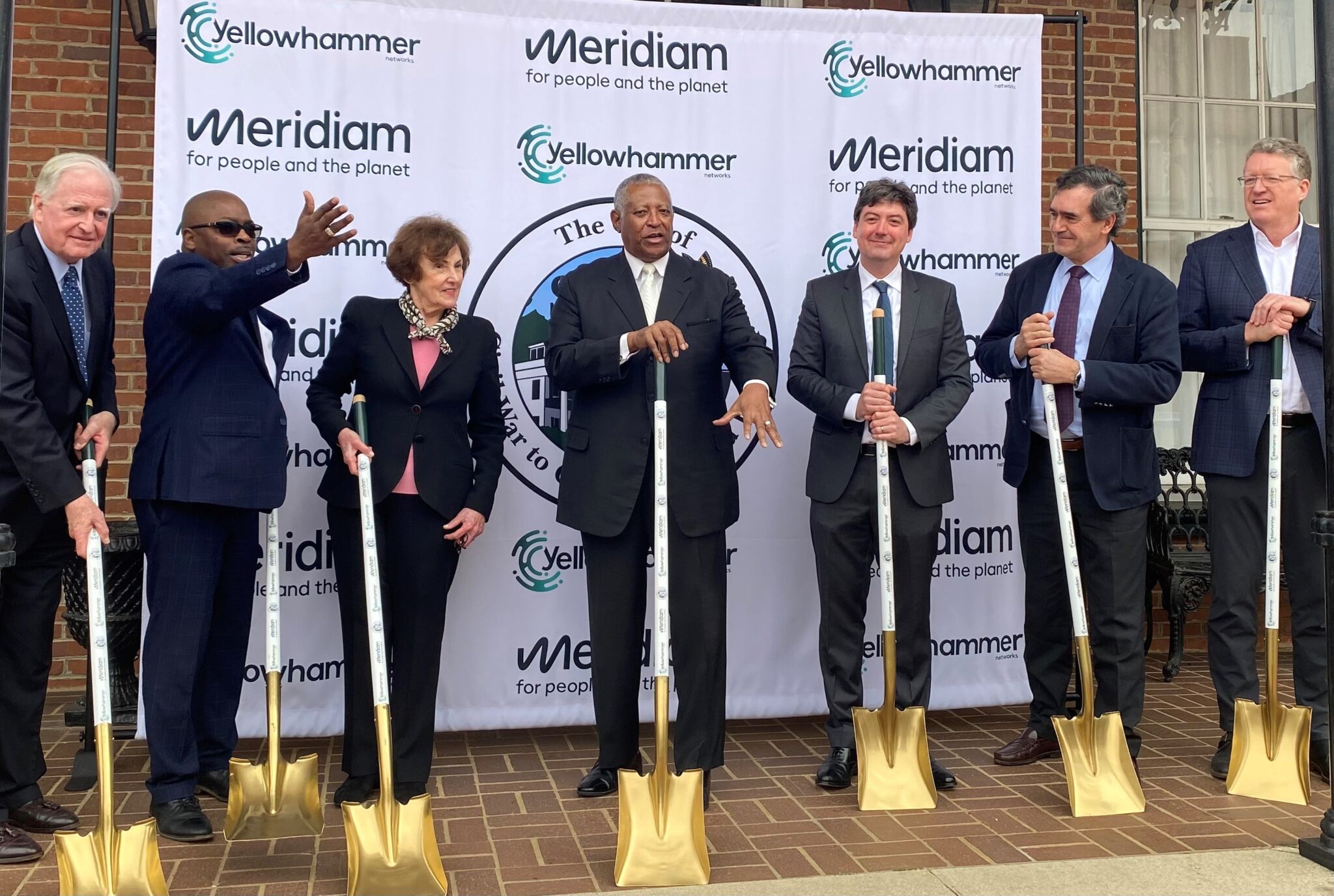
We help communities develop fiber-optic networks by assessing financial viability, attracting funding, and evaluating cutting-edge use cases. Complementing these efforts, we create plans for access, affordability, and skills training. Since 2020, our work has helped catalyze nearly $1 billion in private capital for fiber networks that will serve nearly 350,000 households.
Notable successes:
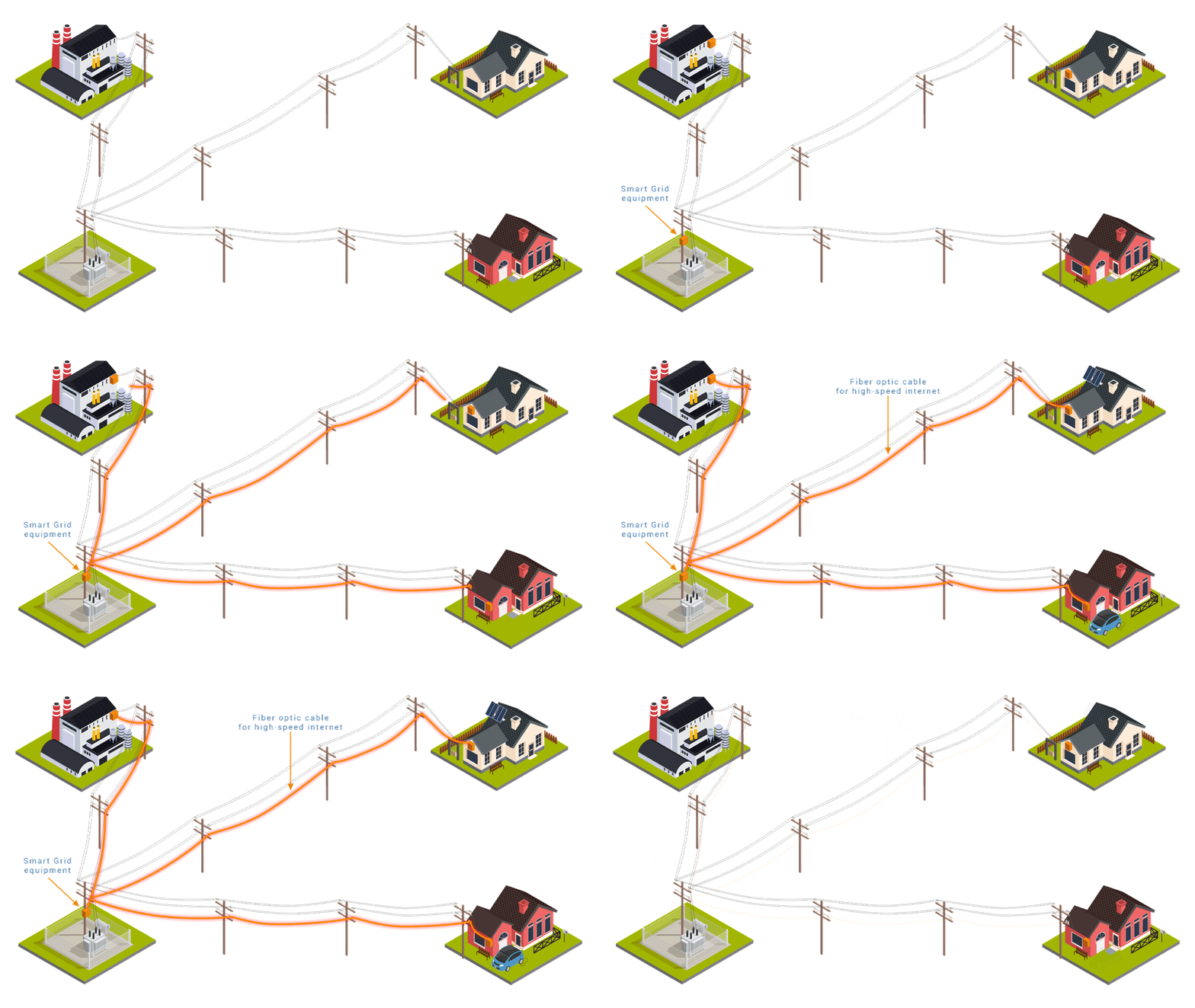
Broadband networks don’t just connect people to the internet, they also underlie a smarter electric grid. Through demonstration pilots in Maine, Memphis and DC, we are developing broadband-enabled, consumer-focused technology that shifts energy use from times when electricity is expensive and dirty to times when the grid is cheap and clean. The result: a grid that can deliver more electricity, lower bills for families, and fewer emissions for everyone.
We undertake this work with scale in mind: we established a subsidiary, Post Road Energy, to bring our technologies to market so that our research benefits as many as possible.
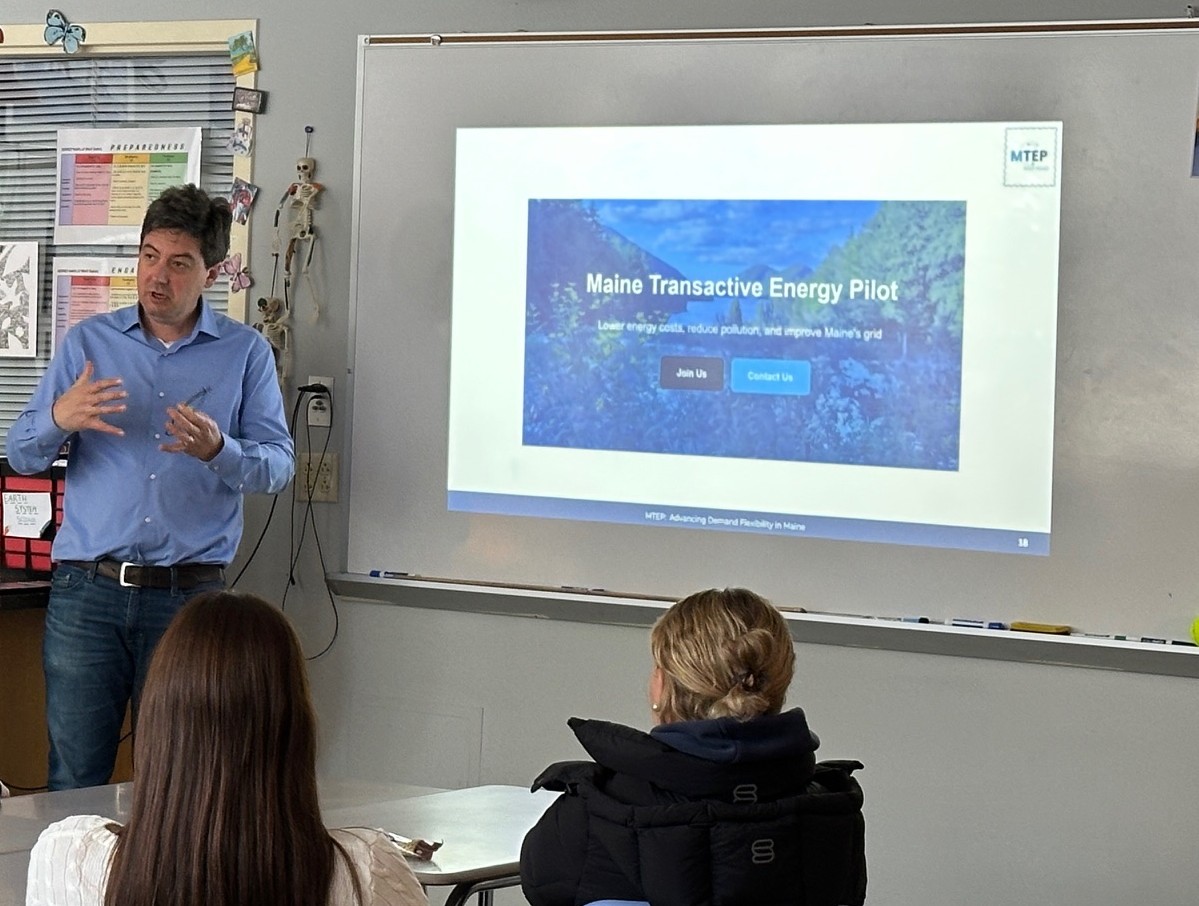
We prioritize sharing what we learn. We give public talks, help local governments and NGOs evaluate new broadband and energy technologies, connect communities with industry partners, and train students. Since 2017, we have supervised approximately 40 undergraduate and graduate students from universities including UC Berkeley, Harvard, Stanford, Carnegie Mellon, NC State, and UT Austin through internships and practicums.
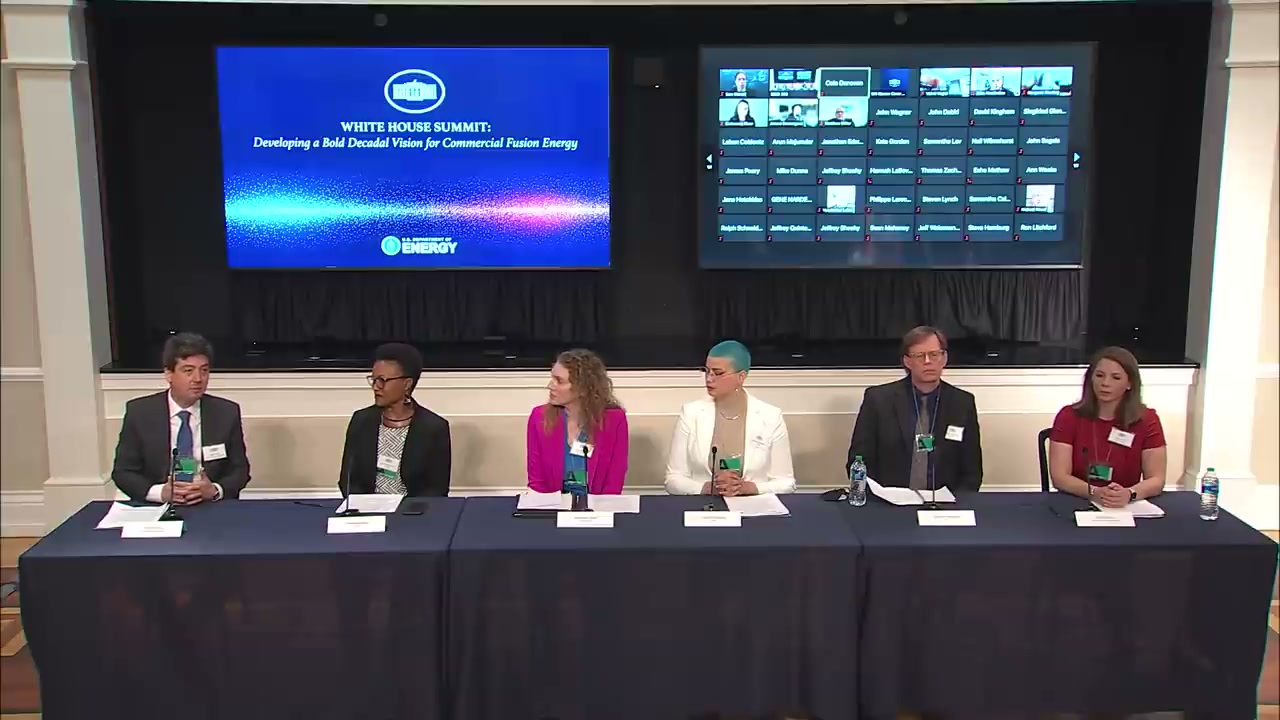
We advocate for including community perspectives in policy and business decisions so that new infrastructure — whether fiber networks or advanced energy systems — meets community needs and serves the common good. We have been invited to contribute at forums including: